Blog

  • Why Do Dogs Whine or Cry? 5 Common Causes & Solutions for Pet Owners

    Why Does Your Dog Whine or Cry?

    Dogs may not shed tears like humans, but they do “cry” in their own way through vocalizations like whining, whimpering, or yelping. These sounds often indicate that your dog is experiencing some form of emotional or physical discomfort. Understanding the reasons behind these behaviors is essential for addressing your dog’s needs and ensuring their well-being.

    Reasons Behind Your Dog’s Whining

    • Stress and Anxiety: Whining is often a sign that your dog is stressed or anxious. This could be due to various factors, such as loud noises, unfamiliar environments, or separation anxiety.
    • Physical Pain or Discomfort: If your dog is in pain or feeling physically unwell, they might whine or whimper. This could be due to an injury, illness, or even discomfort caused by something as simple as an irritant in their environment.
    • Attention-Seeking: Sometimes, dogs whine simply to get your attention. This could be because they want to play, go for a walk, or get a treat.
    • Sadness or Depression: Dogs can experience sadness or even depression, often triggered by loneliness, a change in routine, or the loss of a companion.

    Dogs are highly attuned to their owners’ emotions and can display empathy-like behaviors. For example, a dog might respond to a crying baby or a distressed owner with submissiveness or alertness, showing concern. This emotional synchronization suggests that dogs are capable of cross-species empathy, reacting not only to the emotions of other dogs but also to humans.A dog that whines or cries excessively is likely in some form of distress, and it’s up to you to figure out the cause.Here are some strategies to help:

    • Identify Stressors: Determine what might be causing your dog’s anxiety or stress. Common triggers include thunderstorms, being left alone, or changes in the environment.
    • Meet Their Needs: If your dog is whining out of frustration, such as wanting to go for a walk or needing mental stimulation, try to meet these needs before the whining starts. Ensuring your dog gets enough exercise and mental engagement is key to reducing frustration-based whining.
    • Routine and Consistency: Keeping a consistent daily routine can help reduce your dog’s stress. Sudden changes in their environment or schedule can cause anxiety, leading to more whining.
    • Avoid Reinforcing Attention-Seeking: If your dog is whining to get attention, it’s important not to reinforce this behavior by immediately giving in. Instead, reward your dog when they are quiet and calm. You can also engage in short training sessions to redirect their behavior and reinforce positive actions.
    • Consider Professional Help: If your dog’s whining persists despite your efforts, it might be worth consulting with a veterinarian or animal behavior specialist. They can help you develop a plan to address your dog’s emotional needs and reduce their distress.

    Whining and crying in dogs are important signals that something may be wrong. Whether it’s stress, physical discomfort, or a need for attention, understanding these cues and responding appropriately is crucial for your dog’s well-being. By addressing the root causes and using positive reinforcement, you can help your dog feel more secure and reduce excessive whining.

    For the full details, please refer to the full original article here.
  • What Do Basset Hounds Usually Die From — Health Guide for Pet Owners

    What Do Basset Hounds Usually Die From — Health Guide for Pet Owners

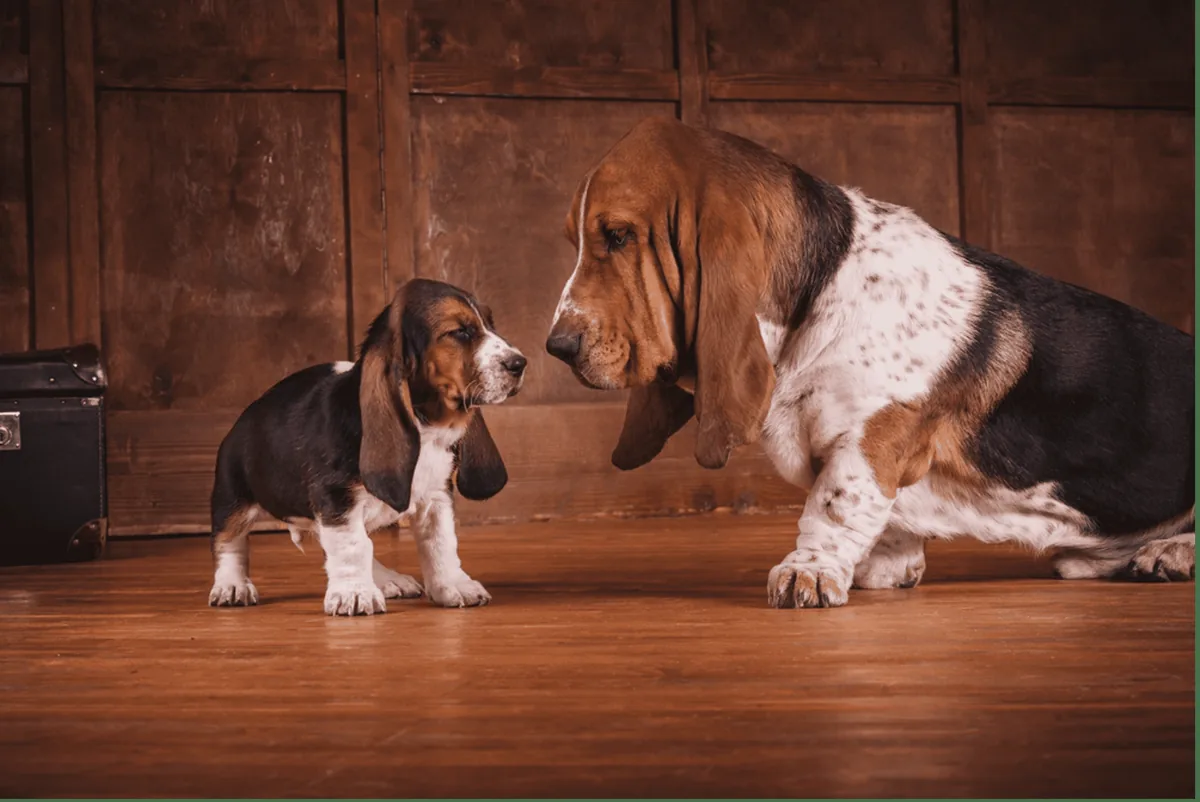
    Beneath their signature droopy eyes and floppy ears, Basset Hounds hide a delicate side that often goes unnoticed. While their calm nature and loving companionship win hearts easily, their breed-specific health risks deserve just as much attention. By staying informed about these vulnerabilities, you can make smarter choices to protect your Basset Hound’s health and happiness for years to come.


    🩺 Common Causes of Death in Basset Hounds

    1. Cancer

    Cancer is a main cause of death in Basset Hounds. They are particularly susceptible to:

    • Lymphoma: Affects the lymphatic system, leading to symptoms like swollen lymph nodes, lethargy, and weight loss.
    • Squamous Cell Carcinoma: A type of skin cancer that can be challenging to detect due to the breed’s skin folds.

    Regular veterinary check-ups are crucial for early detection and treatment.

    2. Gastric Dilatation-Volvulus (Bloat)

    Bloat is a life-threatening condition where the stomach fills with gas and twists, cutting off blood supply. Symptoms include:

    • Distended abdomen
    • Restlessness
    • Unsuccessful attempts to vomit

    Immediate veterinary attention is essential.

    3. Heart Disease

    Basset Hounds are prone to heart conditions such as dilated cardiomyopathy, which impairs the heart’s ability to pump blood effectively. Signs to watch for:

    • Coughing
    • Lethargy
    • Difficulty breathing

    Regular heart screenings can aid in early detection.

    4. Basset Hound Glycogen Storage Disease (BHGSD)

    A rare genetic disorder where glycogen accumulates in the heart muscle, leading to heart failure. Symptoms may be subtle, including:

    • Lethargy
    • Exercise intolerance

    Genetic testing is available to identify carriers and affected dogs.

    5. Age-Related Conditions

    As Basset Hounds age, they may develop:

    • Cognitive Dysfunction Syndrome: Similar to dementia in humans, leading to confusion and behavioral changes.
    • Arthritis: Causing joint pain and mobility issues.

    Providing mental stimulation and maintaining a consistent routine can help manage these conditions.

    📊 Health Summary Table

    Health Issue Description Prevention/Treatment
    Cancer Lymphoma, Squamous Cell Carcinoma Regular vet check-ups, early detection
    Gastric Dilatation-Volvulus Stomach fills with gas and twists Immediate veterinary care, feeding practices
    Heart Disease Dilated cardiomyopathy Regular heart screenings
    BHGSD Glycogen accumulation in heart muscle Genetic testing
    Age-Related Conditions Cognitive dysfunction, arthritis Mental stimulation, consistent routine

    🐾 Enhancing Your Basset Hound’s Health

    To promote a longer, healthier life for your Basset Hound:

    • Regular Veterinary Visits: Schedule annual check-ups to monitor health and catch issues early.
    • Balanced Diet: Provide high-quality dog food appropriate for their age and activity level.
    • Exercise: Engage in daily walks and playtime to maintain a healthy weight and joint health.
    • Mental Stimulation: Use puzzle toys and training exercises to keep their minds sharp.
  • What Can My Dog Drink Besides Water — A Guide to Safe Options

    What Can My Dog Drink Besides Water — A Guide to Safe Options

    Water is the most important drink for dogs, but if your dog won’t drink or needs extra hydration, you might wonder what else is safe. This guide covers what dogs can drink besides water and how to keep them healthy and hydrated.

    Is Water Really the Only Option?

    The short answer: Yes, there are a few dog-safe liquids out there — but not all fluids are created equal. This guide covers safe and unsafe liquids, hydration tips, and what to do when your dog won’t drink.


    Vet-Approved Liquids Dogs Can Drink

    If your dog is avoiding water or needs a little hydration support, here are some vet-approved options that can help:

    1. Everyday Hydration Basics 💧

    These options can be offered regularly and are great for dogs who need mild encouragement to stay hydrated:

    • Plain water – Always the top choice. Clean, cool, and freely available at all times.
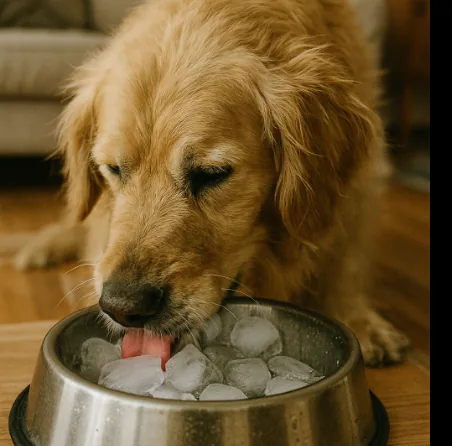
    • Ice cubes – Fun to chew and a sneaky way to get water into picky pups.
    • Wet dog food or soaked kibble – Add water or broth to meals for extra hydration.

    2. Broths and Flavor-Boosted Water 🍲

    • Low-sodium chicken broth – Homemade or store-bought (like Honest Kitchen), as long as it’s free of garlic, onion, or added salt.
    • Water with a splash of bone broth – Adds aroma and taste, making water more appealing.
    • Homemade unsalted veggie broth or vegetable juice – A gentle, savory option if made without onions, garlic, or salt.

    3. Functional Hydration Add-Ons 🧪

    These are useful for recovery, illness, or heat — but should be used in moderation and with vet guidance:

    • Unflavored Pedialyte – Helps with mild dehydration; dilute and offer sparingly.
    • Dog-specific electrolyte powders (e.g. K9 powder) – Tailored to canine hydration needs; follow package directions.
    • Unsweetened coconut water – Contains natural electrolytes, but high in potassium — offer occasionally and in small amounts.

    4. Light, Occasional Liquids 🌿

    Not for daily use, but safe in small, occasional servings:

    • Caffeine-free herbal teas – Mild teas like chamomile or peppermint can be soothing.
    • Unsweetened nut milk (e.g. almond milk) – Safe in tiny amounts if free of xylitol or added sugars.

    5. Liquids to Use in Moderation 🍎

    These drinks aren’t harmful in tiny amounts but should only be offered occasionally and with caution. Always check with your vet before introducing any of these to your dog’s diet — especially if your dog has allergies, sensitivities, or health concerns.

    • Unsweetened Cranberry Juice (Small Amounts): Sometimes recommended to support urinary health, but must be unsweetened and vet-approved. Too much can cause stomach upset or acid imbalance.
    • Diluted Apple Juice (Rarely and Sparingly): While not toxic, apple juice is high in sugar and can lead to digestive discomfort. It should be heavily diluted and given in very small quantities.
    • Plain Milk (Only If Lactose-Tolerant): Some dogs tolerate a small splash of milk, but many are lactose-intolerant. Watch for signs of bloating or diarrhea and never make it a regular drink.

    How to Hydrate a Dog That Won’t Drink Water?

    If your dog is sick, recovering, or just refuses water, there are a few practical ways to help them stay hydrated. First, remember the basics: always keep fresh water available and clean their bowls regularly. Offer small sips during walks, and keep an eye out for signs of dehydration or illness. If your dog consistently avoids drinking, it’s best to consult your vet.

    Here are a few additional tips that may help:

    • Offer ice cubes — Some dogs enjoy chewing on ice more than drinking from a bowl.
    • Use a syringe or dropper — Slowly administer small amounts of water or vet-approved fluids.
    • Try wet food or soaked kibble — Adding broth or water to meals is an easy way to increase fluid intake.
    • Switch bowls or locations — Some dogs are picky about water bowl shape, size, or placement.

    Note: Dogs should never go more than 24–48 hours without drinking. Signs of dehydration include dry gums, lethargy, sunken eyes, and skin that doesn’t bounce back when gently pinched.


    Liquids to Avoid ⚠️ or Use With Caution

    Not everything in your fridge is safe for your pup. Be cautious with:

    • Gatorade or Sports Drinks – Too much sugar and sodium; not made for dogs.
    • Sugary Juices – Even apple or cranberry juices may seem harmless, but sugar and acidity can upset your dog’s stomach.
    • Flavored or Seasoned Broths – Garlic, onion, and added salt are toxic to dogs.
    • Dairy (e.g., milk or cheese) – Many dogs are lactose-intolerant and can suffer from gas, bloating, or diarrhea.

    The Bottom Line

    Water is the healthiest drink for dogs — but in certain situations, dog-safe broths, diluted electrolyte solutions, or mild flavor enhancers can help. Always check with your vet before introducing new liquids, especially during illness. When in doubt, stay simple, stay safe, and prioritize clean, fresh water.

  • What Are Bad Signs After a Dog Gives Birth — Essential Postpartum Warnings

    What Are Bad Signs After a Dog Gives Birth — Essential Postpartum Warnings

    Bringing new puppies into the world is a heartwarming experience, but it also comes with important responsibilities. The mother’s health after birth deserves close attention, as complications can arise even when everything seems normal. By spotting warning signs early, you can help protect both the mother and her newborn pups from serious health risks.


    🚩 Warning Signs to Watch For

    1. Lack of Appetite or Prolonged Lethargy

    It’s normal for a mother dog to rest after giving birth, but if she remains extremely tired or refuses to eat beyond 24 hours, it could signal serious health problems like internal bleeding or uterine infection. Proper nutrition is critical for recovery and milk production, so a continued lack of appetite should never be ignored. Watch for additional signs like weakness or disinterest in caring for her puppies. Prompt veterinary attention is essential to ensure her health and the well-being of her litter.


    2. Abnormal Vaginal Discharge

    Some postpartum discharge is expected, but foul-smelling, greenish, or bright red discharge can indicate dangerous conditions like metritis or retained placenta. A strong odor or large amounts of discharge are warning signs of infection, which can quickly become life-threatening. Monitor the mother closely for fever or unusual behavior alongside abnormal discharge. If these signs appear, contact your veterinarian immediately for evaluation and treatment.


    3. Swollen, Painful, or Discolored Mammary Glands

    Swollen, hot, or painful mammary glands often indicate mastitis, a bacterial infection that makes nursing painful and may put the puppies at risk if the milk becomes infected. In severe cases, the glands may harden or turn dark due to poor blood circulation or tissue damage. The mother may avoid feeding her puppies or show signs of discomfort and fever. Early diagnosis and treatment are vital to prevent serious health risks for both the mother and her litter.


    4. Restlessness, Heavy Panting, and Muscle Tremors

    While some panting is normal after labor, ongoing restlessness, heavy panting, and visible muscle tremors can be early signs of eclampsia, a dangerous calcium deficiency. This condition most commonly affects small breeds or mothers nursing large litters and can escalate to seizures or death if untreated. If these symptoms appear, stop nursing immediately and seek veterinary care. Fast intervention with calcium supplementation is critical to saving the mother’s life.


    5. Neglecting or Acting Aggressively Toward Puppies

    Maternal neglect or aggression is not typical and often signals physical pain or emotional distress. The mother may avoid nursing, ignore her puppies’ cries, or even become hostile toward them. This behavior can result from postpartum complications like mastitis, hormonal imbalances, or overwhelming anxiety. If creating a calm environment doesn’t help, consult your veterinarian to assess her health and provide the necessary support.


    🩺 Common Postpartum Complications

    Metritis

    An infection of the uterus, metritis typically occurs within a week after delivery. Symptoms include:

    • Foul-smelling vaginal discharge
    • Fever
    • Depression
    • Loss of appetite
    • Neglect of puppies

    Prompt antibiotic treatment is necessary to address this condition.

    Eclampsia (Milk Fever)

    Eclampsia arises from low calcium levels during lactation. Signs encompass:

    • Restlessness
    • Panting
    • Muscle tremors
    • Seizures

    Immediate veterinary care, including calcium supplementation, is critical.

    Mastitis

    This infection of the mammary glands can cause:

    • Swollen, painful teats
    • Discolored or bloody milk
    • Fever
    • Lethargy

    Treatment involves antibiotics and ensuring proper milk drainage.

    Retained Placenta

    Failure to expel all placental tissue can lead to infection. Indicators include:

    • Persistent greenish discharge
    • Fever
    • Depression

    Veterinary intervention is necessary to remove retained tissues.


    📊 Quick Reference Table

    Symptom Possible Condition Action Required
    Lethargy, anorexia Metritis, eclampsia Immediate veterinary care
    Foul-smelling discharge Metritis, retained placenta Veterinary evaluation
    Swollen, painful teats Mastitis Antibiotics, vet consultation
    Muscle tremors, seizures Eclampsia Emergency treatment
    Neglecting puppies Psychological distress, illness Veterinary assessment

    🐾 Ensuring Postpartum Health

    Monitoring your dog’s behavior and physical condition after birth is vital. Regular veterinary check-ups, a balanced diet, and a stress-free environment contribute to a healthy recovery. If you notice any concerning signs, don’t hesitate to seek professional advice.

  • How to Stop Your Dog from Barking — A Gentle and Effective Guide

    How to Stop Your Dog from Barking — A Gentle and Effective Guide

    Every bark has a reason. Your dog might be trying to protect you, express excitement, or simply ask for attention. But constant barking could be a problem — especially at night, during walks, or when meeting strangers.. The good news? You can help your dog stop barking, with calm, consistent training and lots of love.


    🧠 Why Do Dogs Bark So Much?

    Understanding why your dog is barking is the first and most important step. Some dogs bark out of anxiety — loud noises, unfamiliar people, or other dogs might trigger fear. Others bark because they’re bored, understimulated, or trying to get attention. Territorial barking is also common, especially when someone approaches your home. Often, barking isn’t about disobedience — it’s about unmet needs or unaddressed triggers. When you identify the root cause, you’re halfway to the solution.

    🐕 How to Train a Dog to Stop Barking

    Training your dog to stop barking begins with staying calm yourself. Yelling or punishing your dog will only confuse or frighten them. Instead, use positive reinforcement techniques to help them learn better behavior.
    One of the most effective tools is the “Quiet” command. When your dog barks, let them bark two or three times. Then say “Quiet” in a firm but gentle voice. As soon as they stop barking — even for just a second — reward them with a treat and praise. Repeat daily, in short training sessions. Over time, they’ll learn that staying quiet brings good things.
    If your dog tends to bark during walks — at other dogs, people, or noises — the key is desensitization. Start by walking them at a distance from their triggers. When they stay calm, reward them. Gradually get closer over several days or weeks. This slow exposure helps your dog realize there’s no threat — and no need to bark.
    Another simple but powerful method is redirection. If your dog starts barking, call their name or ask for a basic command like “Sit” or “Look at me.” Give them a treat when they respond. This pulls their focus away from the barking trigger and onto you instead.

    🧸 Tools to Help with Barking

    Training is the foundation, but a few tools can support the process. Traini APP smooths communication between you and puppy, by translating your commands into barks, or decoding barks and behaviors into human language. Clicker training helps reinforce quiet behavior. You can also use vibration or sound-based no-bark collars — never use shock collars, as they cause fear and pain. Interactive puzzle toys are excellent for keeping your dog mentally stimulated and less likely to bark out of boredom.

    💛 Gentle Reminders from a Fellow Dog Lover

    Your dog isn’t barking to be difficult — they’re trying to tell you something. Barking is communication, not defiance. With patience, consistency, and compassion, your dog will learn when to speak and when to stay quiet.
    Celebrate every small success, and don’t expect perfection overnight. Just like humans, dogs need time to learn new habits.

    As a reminder: don’t punish the bark. Reward the silence.

  • How to Pronounce Cane Corso Correctly — Breed Guide

    How to Pronounce Cane Corso Correctly — Breed Guide

    Have you ever hesitated before saying “Cane Corso” aloud, unsure if you’re getting it right? You’re not alone. This majestic Italian breed’s name often trips up even seasoned dog enthusiasts. Let’s clear up the confusion and ensure you’re pronouncing it with confidence.

    🗣 The Correct Pronunciation

    In Italian, “Cane Corso” is pronounced:

    KAH-neh KOR-soh

    Breaking it down:

    • Cane: “KAH-neh” (means “dog” in Italian)
    • Corso: “KOR-soh” (derived from Latin “cohors,” meaning “guardian”)

    So, “Cane Corso” translates to “guardian dog.” This pronunciation is affirmed by the American Kennel Club and other authoritative sources.

    ❌ Common Mispronunciations

    It’s easy to mispronounce “Cane Corso” if you’re unfamiliar with Italian pronunciation. Here are some frequent errors:

    • “Cane”: Pronounced like the walking stick or sugar cane.
    • “Corso”: Mispronounced as “kor-soo” or “kor-sow.”

    These mispronunciations are understandable but can be corrected with a bit of practice.


    📢 Practice Makes Perfect

    To master the pronunciation, listen to native speakers or reputable sources:

    • YouTube: How to Pronounce Cane Corso
    • Cambridge Dictionary Audio

    Repeat after these examples to build confidence in your pronunciation.

    🐾 Embrace the Authenticity

    Using the correct pronunciation not only shows respect for the breed’s Italian heritage but also helps in clear communication, especially among dog enthusiasts and professionals.

  • English Bulldog Lifespan — What to Expect and How to Extend It

    English Bulldog Lifespan — What to Expect and How to Extend It

    English Bulldogs are beloved for their distinctive appearance and gentle temperament. However, their unique physical traits contribute to specific health challenges that can impact their lifespan. Understanding these factors is crucial for providing the best care and potentially extending your Bulldog’s life.


    📊 Average Lifespan of English Bulldogs

    The average lifespan of an English Bulldog ranges between 8 to 10 years, with some living longer under optimal care conditions. This is relatively short compared to other medium-sized breeds. Factors influencing their lifespan include genetic predispositions and breed-specific health issues.


    🐾 Common Health Issues Affecting Lifespan

    1. Brachycephalic Obstructive Airway Syndrome (BOAS)

    Due to their short snouts, Bulldogs often suffer from BOAS, leading to breathing difficulties, especially in hot or humid conditions. This can result in reduced exercise tolerance and increased risk during anesthesia.

    2. Heart Disease

    Bulldogs are susceptible to various heart conditions, including congenital heart defects and cardiomyopathy. Regular veterinary check-ups are essential for early detection and management.

    3. Cancer

    Cancer is a leading cause of death in Bulldogs, with common types including lymphoma and mast cell tumors. Early detection through regular screenings can improve treatment outcomes.

    4. Obesity

    Bulldogs have a tendency to gain weight easily, leading to obesity-related complications such as joint problems, diabetes, and decreased lifespan. Maintaining a healthy diet and regular exercise routine is vital.

    5. Skin Conditions

    Their characteristic skin folds can harbor bacteria and yeast, leading to infections if not cleaned regularly. Skin issues can cause discomfort and may lead to more severe health problems if left untreated.


    🧬 Factors Influencing Lifespan

    • Genetics: Inherited traits play a significant role in predisposition to certain health conditions.
    • Diet and Nutrition: A balanced diet tailored to their specific needs can prevent obesity and related health issues.
    • Exercise: Regular, moderate exercise helps maintain a healthy weight and cardiovascular health.
    • Veterinary Care: Routine check-ups and prompt attention to health concerns can catch issues early.
    • Environment: Living in a stress-free, clean environment reduces exposure to potential health hazards.

    🛡 Tips to Extend Your Bulldog’s Lifespan

    • Regular Veterinary Visits: Schedule routine health screenings to monitor for common Bulldog ailments.
    • Balanced Diet: Provide high-quality, breed-appropriate food to meet nutritional needs.
    • Weight Management: Monitor weight and adjust diet and exercise to prevent obesity.
    • Exercise: Engage in daily, moderate physical activities suitable for Bulldogs.
    • Skin Care: Clean skin folds regularly to prevent infections.
    • Temperature Control: Avoid exposing your Bulldog to extreme heat or cold to prevent respiratory distress.
    • Dental Hygiene: Maintain oral health through regular brushing and dental check-ups.
  • Understanding Why Dogs Bark: 7 Types of Barking Behaviors & Solutions

    Why Does My Dog Bark?

    Barking is a natural form of communication for dogs, and understanding the reasons behind it can help you manage and reduce excessive barking effectively. Instead of punishing your dog for barking, the goal should be to reward quiet behavior and address the underlying causes.

    Types of Barking

    • Hello Barking: When your dog barks excitedly while meeting others, it’s a friendly gesture. A wagging tail and relaxed body language indicate social behavior.
    • Distress Barking: If your dog barks at every unexpected noise or movement, it could be a sign of distress. This type of barking often comes with a stiff body posture.
    • Territorial Barking: Dogs often bark to protect their territory. If your dog barks continuously when someone approaches your home or yard, he’s signaling that a stranger is nearby.
    • Look at Me Barking: Some dogs bark for attention, whether from you or another animal. If you consistently respond to this barking, your dog may continue using it to get what he wants.
    • Communal Barking: When dogs bark in response to other dogs barking, it’s a social interaction. This is common in environments like shelters where many dogs are together.
    • Obsessive Barking: Repetitive barking, often combined with repetitive movements like running along a fence, can be a sign of obsession. Providing alternative outlets for your dog’s energy, such as a walk or a game of fetch, can help.
    • Let-Me-Outta-Here Barking: Dogs may bark excessively out of frustration when confined or restrained, especially if they see another dog or person they can’t interact with.

    Consistency is key in reducing your dog’s barking. When your dog starts barking, use a command like “No bark,” followed by an offer of a treat for silence. Gradually reduce treat rewards as your dog learns to stay quiet.

    For dogs triggered by loud noises, create a calm environment with a crate, soothing music, or background noise like a TV. If boredom is the issue, increase your dog’s exercise and playtime to keep them physically and mentally stimulated. Maintaining a consistent daily routine can also reduce stress-related barking. Finally, lifelong socialization and positive training are crucial for your dog’s well-being, helping to minimize unwanted barking and ensure a happy, well-adjusted pet.

    For the full details, please refer to the full original article here.
  • Why Do Dogs Lick Each Other’s Privates? The Surprising Truth

    Why Do Dogs Lick Each Other’s Privates? The Surprising Truth

    Why do dogs lick each other’s privates? This common canine behavior is more than just grooming—it’s a vital form of social bonding, communication, and health maintenance. Understanding why dogs lick each other’s genital areas reveals important insights into their social cues, hygiene habits, and pack interactions.

    Why Do Dogs Lick Each Other’s Privates? Understanding This Vital Canine Behavior 🐾

    If you’ve ever watched dogs interact, you might have noticed them licking each other’s private areas. While it might seem odd or even embarrassing to us, this behavior is actually a natural and important part of canine social life. Let’s explore why dogs lick each other’s genital areas and what this means for their social bonds, communication, and health.


    Canine Social Behavior: More Than Just Grooming

    Dogs Lick Each Other’s Private Areas for Social Interaction and Communication

    When dogs lick each other’s genital areas, they are engaging in a complex form of social communication. This behavior helps dogs:

    • Gather vital information about each other’s health, reproductive status, and identity through scent and taste.
    • Strengthen social bonds within their pack or group by exchanging social cues.
    • Identify individuals and understand their social rank or reproductive availability.

    This is not just random licking; it’s a sophisticated way dogs communicate and connect. According to research in canine behavior, this licking is a form of mutual grooming that reinforces trust and social cohesion.

    Key Points on Dog Social Licking Behavior

    Aspect Explanation
    Social Bonding Licking genital areas helps dogs build and maintain strong social bonds within their group.
    Scent Communication Dogs use scent glands in the genital area to convey identity and reproductive status.
    Social Cues & Signals Licking conveys important social signals about health, mood, and hierarchy.
    Pack Behavior This behavior is common in packs and helps maintain group harmony.

    Hygiene and Grooming: Keeping It Clean and Healthy 🧼

    Dog Licking for Hygiene and Infection Prevention

    Licking each other’s private parts is also a natural grooming behavior. Dogs instinctively lick to:

    • Clean sensitive genital areas, removing dirt and debris.
    • Prevent infections by keeping these areas hygienic.
    • Check health status through taste and smell, which can alert them to any abnormalities.

    This grooming behavior is essential for maintaining genital hygiene and overall health. It’s a way dogs care for each other, much like how we might help a friend with a wound or discomfort.

    Why Dog Licking Private Parts Is Healthy

    • Reduces risk of infections by cleaning bacteria and irritants.
    • Supports reproductive health by keeping genital areas free from harmful substances.
    • Promotes mutual grooming behavior, which strengthens social bonds and reduces stress.

    What Does Dog Licking Private Parts Mean for You and Your Dog? 🐶❤️

    Understanding this behavior helps you see your dog’s social world more clearly. When dogs lick each other’s privates, they are:

    • Communicating important social and health information.
    • Engaging in natural grooming to stay clean and healthy.
    • Building and maintaining social bonds that are crucial for their emotional well-being.

    If you notice your dog licking another dog’s genital area, it’s a sign of healthy social interaction and care. However, if you ever see excessive licking or signs of discomfort, it’s good to check with a vet to rule out infections or health issues.


    Summary: Dog Licking Private Areas Explained

    Reason What It Means for Dogs and You
    Social Bonding & Communication Dogs exchange social cues, identify each other, and strengthen pack bonds.
    Hygiene & Grooming Dogs clean sensitive areas to prevent infections and maintain health.
    Health Check Licking helps dogs detect health issues early through scent and taste.
    Pack Behavior This behavior is a natural part of dog social life and group harmony.

    By understanding the dog licking private parts social behavior, you can better appreciate your dog’s natural instincts and social needs. This knowledge also helps you support your dog’s health and happiness, whether you’re a dog owner, trainer, or lover.

    For more insights on dog behavior and expert tips, check out Traini’s app—your AI-powered dog translator and companion for better understanding your furry friend! 🐕📱


    If you want to dive deeper into dog behavior or have questions about your dog’s social cues, feel free to ask. We’re here to help you and your dog communicate better and live happier together!

    “With PetGPT, interpreting your pet’s behavior is just a click away. It’s an essential tool for any tech-forward pet owner.”

  • Why Does My Dog Stare at Me While Lying Down? Uncover the Mystery!

    Why Does My Dog Stare at Me While Lying Down? Uncover the Mystery!

    Ever wondered why your dog locks eyes with you while lying down? This seemingly simple behavior can be a window into your pet’s world, revealing their emotions and needs. Dive into the mystery and discover what your furry friend might be trying to communicate through those soulful stares.

    Understanding Your Dog’s Staring Behavior: A Comprehensive Guide

    Have you ever caught your dog staring at you and wondered what it means? 🐶 You’re not alone! Dogs use their eyes to communicate a variety of emotions and needs. Let’s dive into the fascinating world of dog staring behavior and uncover the reasons behind those soulful gazes.

    Why Dogs Stare: The Basics

    • Dog Staring Behavior: Dogs often use their eyes to communicate with us. Whether it’s a longing gaze or a quick glance, each look can convey a different message.
    • Dog Gaze Meaning: A dog’s gaze can mean many things, from seeking attention to expressing love.
    • Dog Eye Contact: Eye contact is a powerful form of communication in the canine world. It can indicate trust, curiosity, or even a request for something.

    Common Reasons for Dog Staring

    • Dog Staring at Owner: Often, dogs stare at their owners to express affection or to get attention. It’s their way of saying, “I love you” or “Please notice me!”
    • Dog Communication: Staring is a key part of how dogs communicate with humans. They read our body language and facial expressions to understand us better.
    • Canine Staring Reasons: Dogs may stare for various reasons, including hunger, curiosity, or the need for reassurance.

    Specific Staring Scenarios

    • Dog Lying Down Staring: When your dog stares at you while lying down, it might be seeking comfort or simply enjoying your presence.
    • Dog Staring Habits: Some dogs develop habits of staring at certain times, like during meals or when you’re busy.
    • Dog Body Language: Understanding your dog’s body language can help you interpret their staring. A relaxed body often accompanies a loving gaze.

    Psychological Aspects of Dog Staring

    • Dog Staring Psychology: Staring can be a sign of a dog’s emotional state. It might indicate anxiety, curiosity, or a desire to bond.
    • Dog Staring at Night: If your dog stares at you at night, it might be seeking comfort or feeling anxious.
    • Dog Staring While Resting: This can be a sign of contentment and trust.

    Staring for Specific Needs

    • Dog Staring for Attention: Dogs often stare to get your attention, whether for playtime or a simple pat.
    • Dog Staring for Food: If your dog stares at you while you’re eating, it’s likely hoping for a treat.
    • Dog Staring for Affection: A loving gaze can be a request for a cuddle or some quality time together.

    Emotional and Instinctual Staring

    • Dog Staring Anxiety: Anxiety can cause dogs to stare as they seek reassurance from their owners.
    • Dog Staring Curiosity: Dogs are naturally curious, and staring can be a way to explore their environment.
    • Dog Staring Bonding: Eye contact can strengthen the bond between you and your dog, releasing oxytocin, the “love hormone.”

    Staring Signals and Emotions

    • Dog Staring Instinct: Instinctively, dogs use staring as a way to communicate and understand their surroundings.
    • Dog Staring Signals: Pay attention to your dog’s signals; a stare can be a request or a sign of discomfort.
    • Dog Staring Emotions: Dogs express a range of emotions through their eyes, from happiness to concern.

    Analyzing Dog Staring Behavior

    • Dog Staring Behavior Analysis: Observing when and why your dog stares can provide insights into their needs and feelings.
    • Dog Staring at Humans: Dogs often stare at humans to understand them better and to communicate their own needs.
    • Dog Staring at Family: A dog staring at family members is usually a sign of affection and trust.

    Staring at Various Objects and Situations

    • Dog Staring at Strangers: This can indicate curiosity or wariness.
    • Dog Staring at Other Pets: Dogs may stare at other pets to establish dominance or show interest.
    • Dog Staring at Children: This can be a sign of curiosity or a protective instinct.
    • Dog Staring at TV, Wall, or Nothing: Sometimes, dogs stare at seemingly nothing, which can be a sign of boredom or a way to relax.
    • Dog Staring at Ceiling, Door, or Window: This might indicate they heard something or are waiting for someone.
    • Dog Staring at Mirror: Dogs might be confused by their reflection, thinking it’s another dog.
    • Dog Staring at Food Bowl, Toys, or Treats: This is a clear sign they want something!
    • Dog Staring at Leash or Bed: Indicates they want to go for a walk or are ready to rest.
    • Dog Staring at Owner Sleeping, Eating, Working, Cooking, Talking, Reading, Watching TV, on Phone, Exercising, Relaxing: These stares often mean they want to join in or need your attention.

    Understanding your dog’s staring behavior can enhance your bond and improve communication. Next time your furry friend locks eyes with you, you’ll have a better idea of what they’re trying to say. Embrace these moments and cherish the silent conversations you share with your beloved pet. 🐾

    “With PetGPT, interpreting your pet’s behavior is just a click away. It’s an essential tool for any tech-forward pet owner.”